
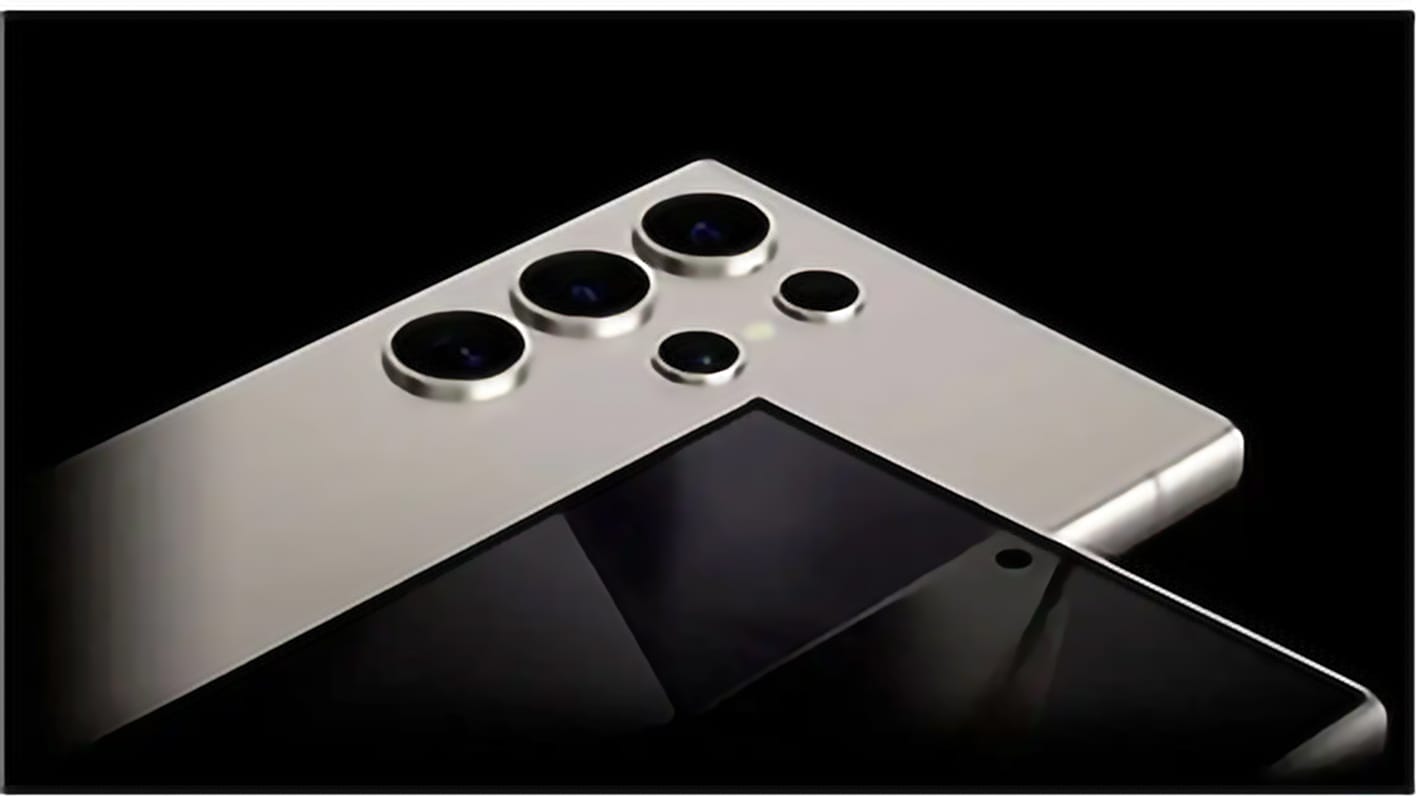
Samsung is reportedly testing a new imaging setup for its upcoming flagship, the Galaxy S26 Ultra, and if leaks are to be believed, it might come equipped with Sony’s massive 1/1.1-inch 200MP CMOS sensor. This marks a significant shift from Samsung’s in-house ISOCELL sensor strategy and could be a major milestone in the Galaxy Ultra series camera evolution.
According to trusted Chinese tech tipsters, there’s a small probability that the Sony 200MP sensor could debut with the Galaxy S26 Ultra, though some reports suggest we may have to wait until the S27 Ultra to see it in action.
🔍 What makes this Sony 200MP sensor special?
The rumored 1/1.1″ CMOS sensor from Sony brings a dramatic improvement in light capture, dynamic range, and detail resolution, thanks to its large sensor size and high pixel count. Here’s what that could mean for users:
Superior Low-Light Photography
Larger sensor area means more light – perfect for crisp night shots with reduced noise.Next-Level Zoom and Cropping
The 200MP resolution opens the door for ultra-clear digital zoom and detailed cropping without loss in quality.Flagship-Class Video Performance
Expect 8K video at higher clarity and better HDR capabilities.
If implemented, this would be the largest sensor ever used on a Galaxy smartphone and a strong competitor to top camera-centric phones like the Xiaomi 14 Ultra and upcoming iPho
🔍 Why is Samsung moving to Sony for the Ultra flagship?
Samsung has long relied on its own ISOCELL HP series for its Ultra lineup, including the 200MP HP2 sensor on the S24 Ultra. However, Sony’s dominance in mobile image sensors, particularly in flagship Androids from Xiaomi, Oppo, and Vivo, might be swaying Samsung to experiment outside its ecosystem.
This potential shift could reflect Samsung’s push to:
Stay competitive in the flagship camera war
Win back camera crown from Chinese rivals
Push the boundaries in computational photography and AI imaging

Hasnain Hasan is the founder and lead writer behind this platform. With over 5 years of hands-on experience in the tech industry, he specializes in breaking down the latest trends, tools, and technologies into easy-to-understand content. A part from writing, Hasnain is actively creating and sharing tech-related content on YouTube, Instagram, and X (formerly Twitter), where he connects with a growing audience of tech enthusiasts and learner