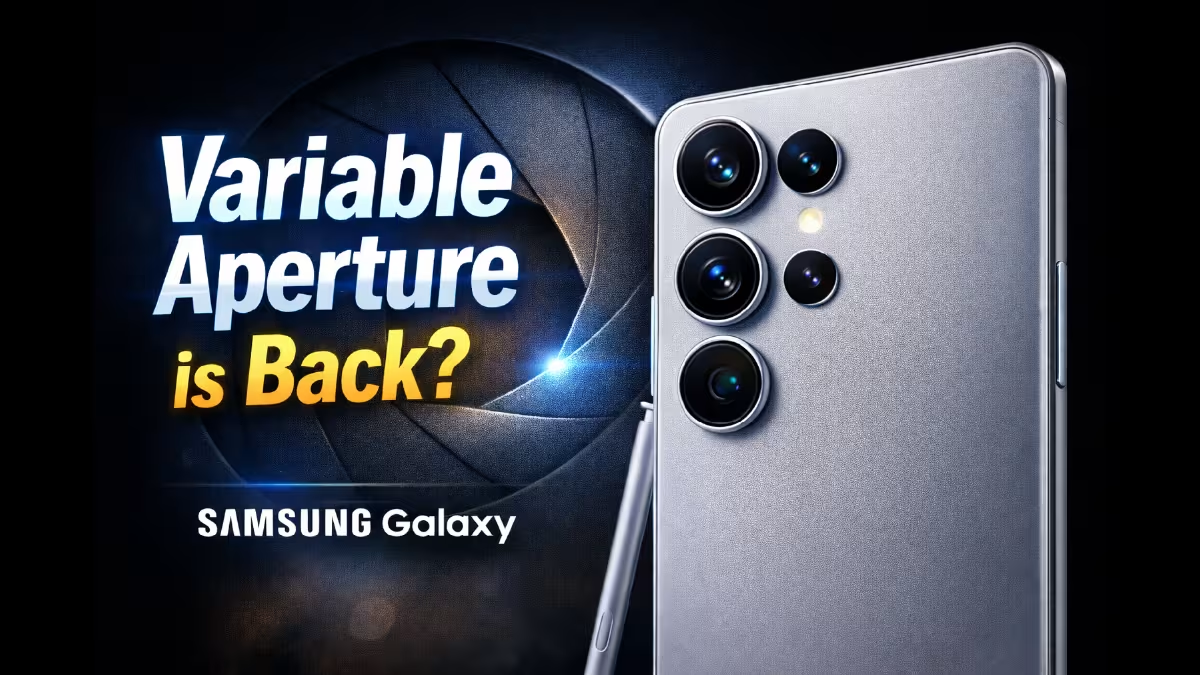
Samsung Electronics is reportedly considering the return of variable aperture technology to future Galaxy smartphones. The feature, once a highlight of earlier premium Galaxy S models, could make a comeback as the company looks for new ways to improve camera performance and stand out in an increasingly mature market.
The move would follow Apple’s adoption of a similar idea in the iPhone lineup, signaling that adjustable lenses may once again become an important battleground for flagship phones.
Why this matters
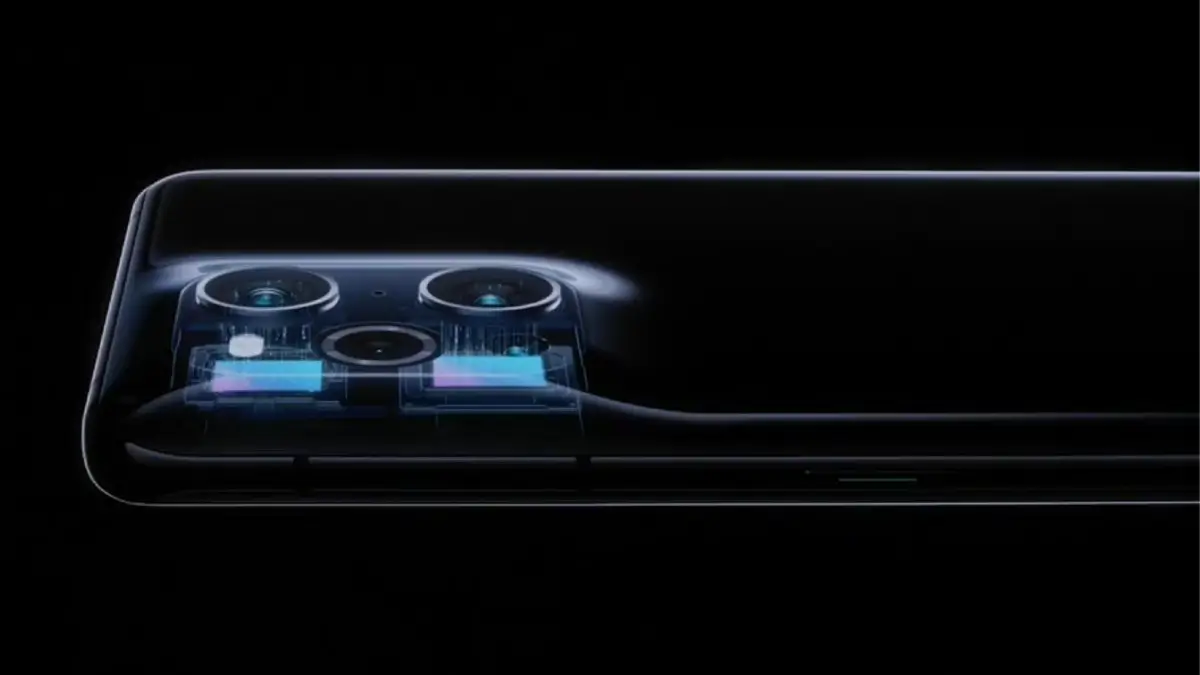
For years, smartphone cameras have relied heavily on software tricks — HDR processing, AI scene detection, and computational photography — to overcome the physical limits of tiny sensors. Variable aperture is different. It is a hardware solution that physically changes how much light enters the lens.
If Samsung revives the technology, it would represent a renewed focus on optical innovation, not just image processing.
What is variable aperture in simple terms?
The aperture is the opening in a camera lens.
- A wide opening lets in more light → better for night shots.
- A narrow opening lets in less light → sharper detail in bright conditions.
Most smartphones use a fixed aperture, meaning the opening cannot change. Variable aperture allows the phone to switch depending on the scene.
Think of it like how your eyes react in sunlight versus darkness.
How it affects users
If done well, users could see:
- Better low-light photos with less noise
- Improved sharpness in daylight
- More natural background blur in some situations
- Greater consistency between indoor and outdoor shots
In short, the camera adapts more intelligently without relying only on software.
Samsung has done this before
This wouldn’t be new territory for Samsung.
The company introduced dual-aperture systems in the Galaxy S9 and S10 series, allowing the camera to switch between two settings (for example f/1.5 and f/2.4). At the time, it was a major differentiator and received strong reviews for night photography.
However, Samsung later removed the feature, likely because improvements in sensors and AI processing made fixed apertures simpler and cheaper while still delivering good results.
Bringing it back suggests Samsung may believe hardware flexibility once again offers an advantage.
Why Samsung might want it now
The smartphone market has reached a point where year-to-year upgrades feel smaller. Faster chips and brighter displays are expected; they rarely surprise buyers.
Camera innovation, however, still drives excitement.
Reintroducing variable aperture could:
- Provide a clear marketing highlight
- Offer visible real-world improvements
- Help Samsung compete more aggressively with Apple and Chinese brands pushing advanced camera hardware
How this compares to competitors
Apple is reportedly moving toward similar adjustable lens solutions, which makes the timing important. If both giants adopt the technology, variable aperture could become a new flagship standard rather than a niche experiment.
Meanwhile, brands like Xiaomi, Oppo, and Vivo are investing in larger sensors and advanced optics. Samsung may see adjustable apertures as another way to remain competitive in image quality without dramatically increasing phone size.
Why earlier attempts disappeared
When Samsung dropped the feature after the S10 series, computational photography was improving rapidly. Multi-frame processing, night modes, and AI enhancements started delivering strong results without moving parts.
Mechanical systems add complexity, cost, and potential durability concerns. If Samsung returns to this approach, it likely means the company now sees enough benefit to justify those trade-offs.
What could happen next
If development moves forward, we might see:
- A refined version with more than two aperture steps
- Better integration with AI image processing
- Use in premium Ultra models first
- Marketing focused on “pro-level” shooting flexibility
Other manufacturers could quickly follow if reviewers and users respond positively.
The bigger picture
Smartphone cameras are approaching the limits of what software alone can fix. As progress slows, companies are revisiting hardware ideas that once seemed unnecessary.
Variable aperture may be one of those technologies whose time has come again.
For buyers, this could mean future Galaxy devices that perform better across lighting conditions, with less compromise between night brightness and daytime sharpness.