This fall, Apple is set to redefine its smartphone strategy with the launch of the iPhone 17 Air, a bold move that replaces the Plus model and squarely targets users eyeing premium features without the Pro price tag. Blending sleek design with Pro-level tech, the iPhone 17 Air aims to bridge the gap between affordability and high-end performance. Let’s dive into what makes this device a potential game-changer.

Slimmer Than Ever: A Design Marvel
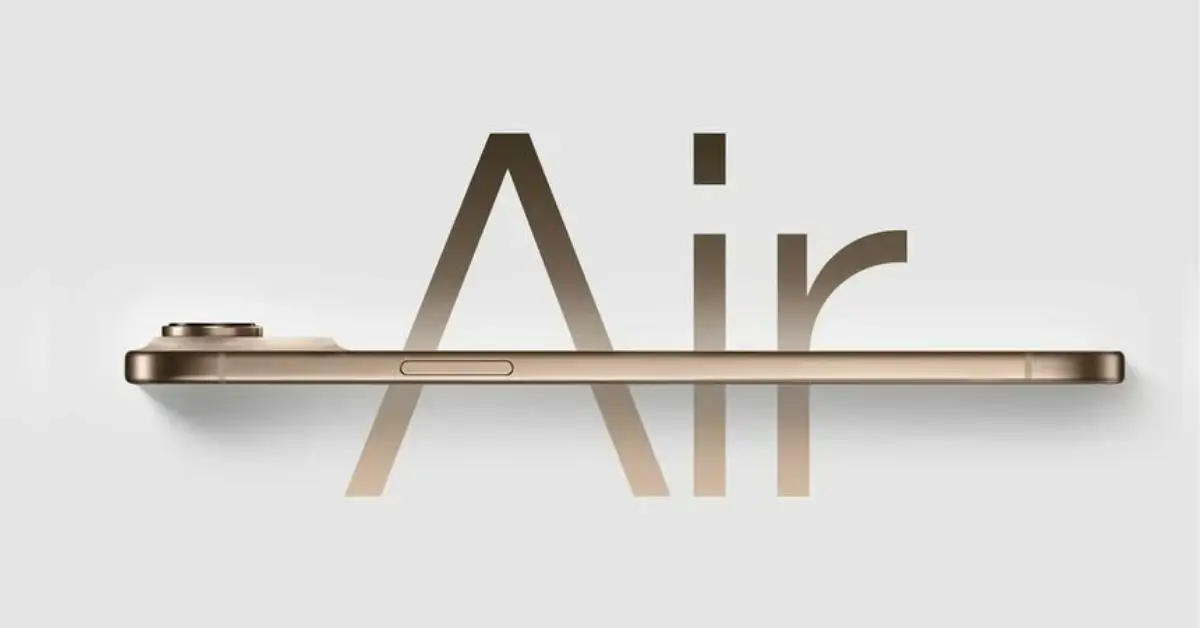
At just 5.5mm thick, the iPhone 17 Air is poised to become Apple’s thinnest iPhone ever—nearly 30% slimmer than the iPhone 15’s 7.8mm frame. Achieving this required reimagining internal components, likely through advanced materials like aerospace-grade aluminum or a redesigned stacked battery system. While skeptics might question durability, whispers of reinforced edges and a ceramic shield display suggest Apple isn’t compromising on toughness. The new form factor also introduces a 6.6-inch display, strategically sized between the Pro (6.1″) and Pro Max (6.7″), catering to users who crave screen real estate without the bulk.
Display Upgrades: Pro Features for the Masses
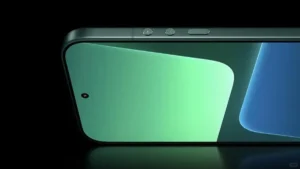
The iPhone 17 Air steals the spotlight by bringing two Pro-exclusive features to a mainstream model: Always-On display and ProMotion Rumors point to a 90Hz refresh rate—a sweet spot for smoother scrolling and gaming while keeping the Pro Max’s 120Hz as a tiered advantage. Paired with vibrant OLED technology, the display promises sharper visuals and improved responsiveness, making everyday interactions feel snappier.
Under the Hood: Power Meets Efficiency
Driving the iPhone 17 Air is Apple’s next-generation A19 chip, built on TSMC’s cutting-edge 3nm+ process. This chip isn’t just about raw speed; it’s engineered for efficiency, a critical factor in such a slender device. Early leaks suggest significant gains in AI performance, which could supercharge features like computational photography and real-time language translation in iOS 18.
But the real headline is Apple’s long-rumored in-house 5G modem, marking the company’s first step away from Qualcomm. While this move could streamline integration with Apple’s ecosystem—potentially boosting battery life and call quality—it also raises questions. Will Apple’s maiden modem face the connectivity hiccups that plagued earlier efforts? Industry watchers are cautiously optimistic, noting that Apple’s control over both hardware and software might give it an edge in optimization.
Camera: Less Is More?
The iPhone 17 Air opts for a minimalist single-lens rear camera, but don’t underestimate that 48MP sensor. Apple is likely leveraging larger pixels and enhanced image signal processing for better low-light shots and dynamic range. The front camera gets a major boost too, jumping to 24MPideal for crisper selfies and sharper video calls. Computational photography tricks, like improved Smart HDR and cinematic mode enhancements, could further close the gap with multi-lens Pro models.
Who’s It For? Pricing and Competition
Priced between the standard iPhone 17 and Pro models (likely $899–$999), the Air is a strategic play for users who want premium features—like ProMotion and the A19 chip—without splurging on extra lenses or the Max’s size. It’s also a direct challenge to Android rivals like the Samsung Galaxy S24 and Google Pixel 9, which have long offered high refresh rates and sleek designs at mid-tier prices.
The iPhone 17 Air is more than just a Plus model replacement—it’s Apple’s answer to the demand for “affordable premium” devices. By packing Pro features into a razor-thin design, the company is testing whether consumers will prioritize portability and innovation over traditional specs like multiple cameras. If Apple nails the balance between form and function, the Air could become the dark horse of 2024’s smartphone race.