
Samsung’s upcoming flagship has surfaced in fresh benchmark listings, revealing early performance numbers ahead of its official debut. The samsung s26 ultra antutu score has now appeared online, giving us a clearer idea of what to expect from the company’s next premium smartphone.
The device listed as SM-S948B is widely associated with the next-generation Galaxy S Ultra model, and the benchmark results suggest a significant performance jump.
Highlights
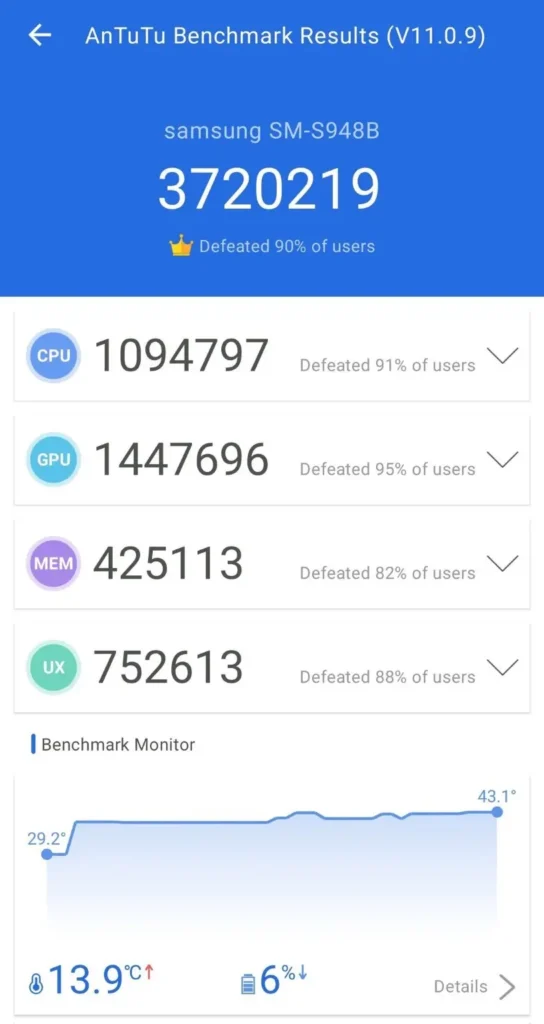
- Samsung S26 Ultra AnTuTu score: 372,019
- CPU score: 1,094,797
- GPU score: 1,447,696
- Memory score: 425,113
- UX score: 752,613
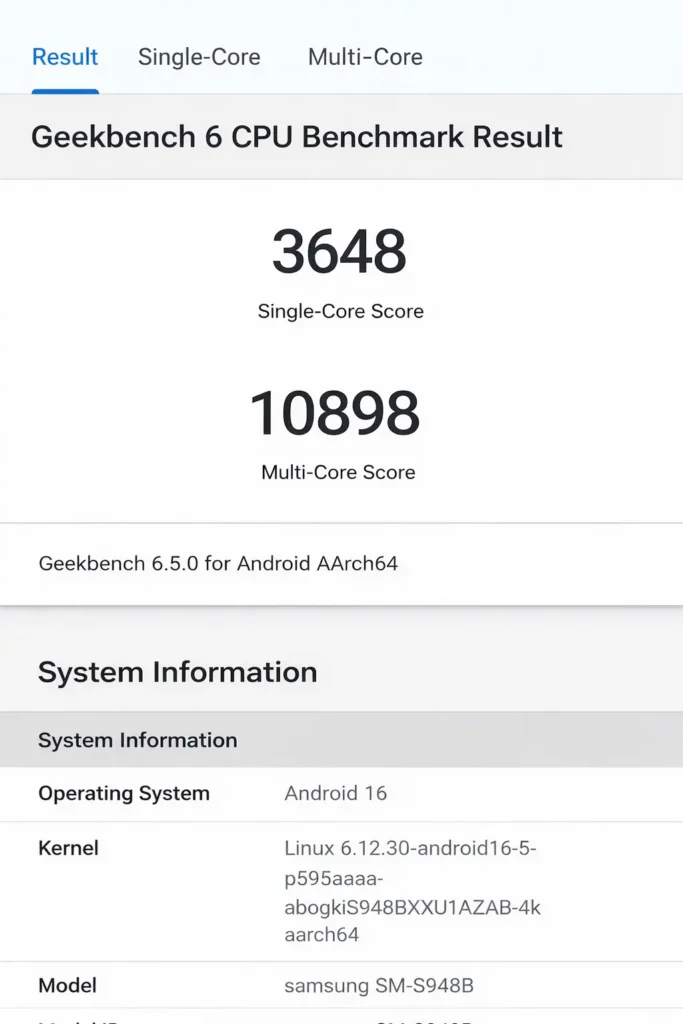
- Geekbench 6: 3,648 (single-core), 10,898 (multi-core)
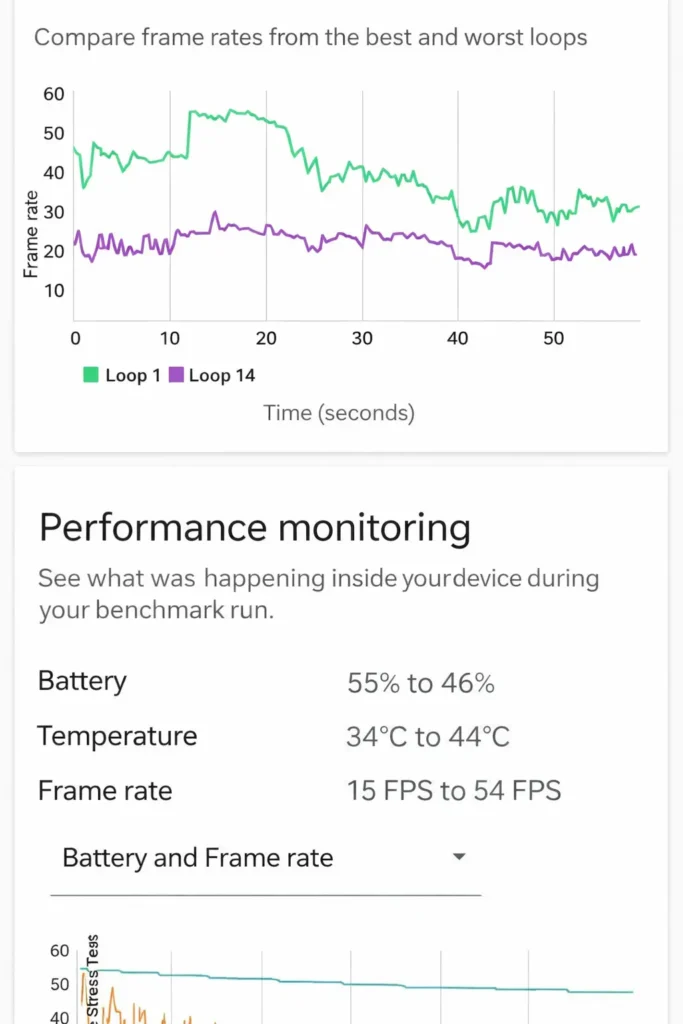
- 3D stress test stability: 53.2%
Samsung S26 Ultra AnTuTu performance explained
The AnTuTu listing (v11.0.9) shows a total score of 372,019 for the Samsung SM-S948B. Breaking it down:
- CPU: 1,094,797
- GPU: 1,447,696
- Memory: 425,113
- UX: 752,613
The device reportedly defeated 90% of users in the database at the time of testing. These numbers indicate strong flagship-level performance, especially on the GPU side, which is critical for gaming and heavy graphics workloads.
Alongside AnTuTu, Geekbench 6 scores reveal:
- Single-core: 3,648
- Multi-core: 10,898
This places the phone comfortably in the top-tier Android performance segment.
Stress test and thermal performance
The 3D stress test results show:
- Best loop score: 6,489
- Lowest loop score: 3,455
- Stability: 53.2%
- Temperature range: 34°C to 44°C
- Frame rate range: 15 FPS to 54 FPS
While peak performance is impressive, the 53.2% stability rating suggests noticeable performance throttling under sustained heavy load. This means the phone can deliver very high short bursts of performance but may reduce speeds during long gaming sessions or intense rendering tasks.
For regular users, this may not be an issue. However, power users and mobile gamers will want to see improved thermal management in final retail units.
Why this matters
Benchmark leaks give early insight into how a flagship device may perform in real-world conditions. For buyers spending premium money, performance consistency matters as much as peak numbers.
A strong AnTuTu score means:
- Faster app launches
- Better multitasking
- Smoother gaming performance
- Improved AI and image processing
However, stability under load determines whether the phone can sustain that performance over time.
How it compares to previous models
Compared to the previous Galaxy S Ultra generation, these early scores indicate a noticeable improvement in CPU and GPU performance. The multi-core Geekbench score crossing 10,000 is particularly significant, suggesting stronger multi-threaded performance.
The GPU score in AnTuTu also shows Samsung focusing heavily on graphics performance, likely targeting better gaming and advanced AI features.
However, the stress test stability figure appears moderate rather than exceptional. Previous Ultra models have also faced throttling under extreme conditions, so it remains to be seen whether Samsung has improved cooling in the final version.
What could happen next
It’s important to note that benchmark listings usually come from pre-release or testing units. Performance tuning often continues until launch. Final retail models may:
- Improve thermal stability
- Optimize power efficiency
- Deliver slightly different scores
Samsung may also highlight AI and camera capabilities during launch rather than focusing purely on raw benchmark numbers.
Conclusion
The early samsung s26 ultra antutu score suggests that Samsung’s next Ultra flagship will deliver powerful top-tier performance, especially in CPU and GPU tasks. While peak scores look strong, stress test results indicate room for improvement in sustained workloads.
As always, benchmarks tell only part of the story. Real-world performance, battery life, and thermal efficiency will ultimately determine how well the Galaxy S26 Ultra performs in everyday use. We will have a clearer picture once the device launches and full reviews are available.
source