
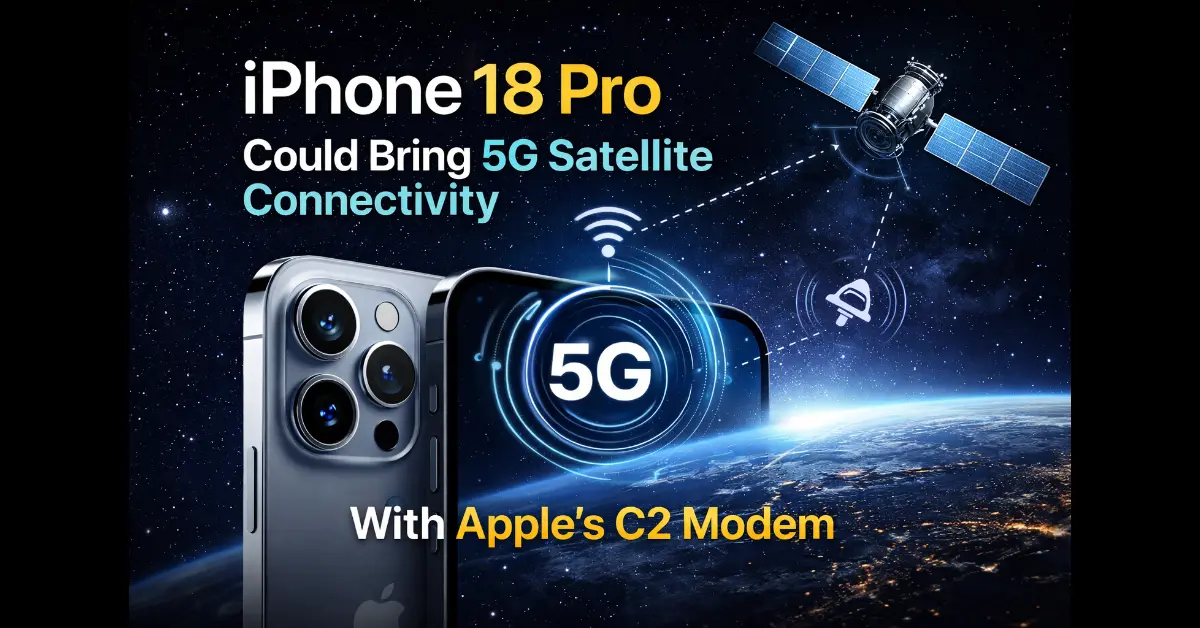
Apple’s future iPhone 18 Pro models are rumored to take satellite communication far beyond emergency texting. Reports suggest Apple’s upcoming in-house C2 modem could support advanced 5G satellite connectivity standards, potentially allowing the iPhone to connect to satellites in a much more meaningful way.
If this happens, it would represent one of the biggest connectivity upgrades in recent iPhone history.
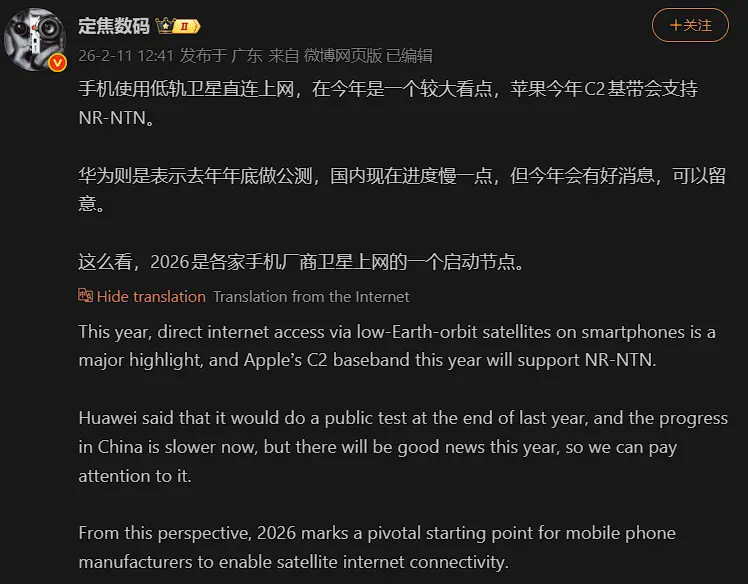
This information was first shared by Chinese tipster “Fixed Focus Digital” via Weibo.
Not Just Emergency SOS — A Bigger Vision
Apple already offers Emergency SOS via satellite in recent iPhones. That feature is designed strictly for crisis situations when cellular coverage is unavailable.
However, the rumored C2 modem could expand satellite usage beyond emergencies.
Why This Matters
Today’s satellite feature:
- Is limited to emergency text communication
- Works only in specific regions
- Requires manual alignment with satellites
If Apple integrates standardized 5G satellite protocols into its modem, it signals a shift from “backup tool” to “network extension.”
This would mean satellite connectivity becomes part of the phone’s core communication system — not just a last-resort feature.
How This Could Affect Users
If the iPhone 18 Pro supports deeper satellite connectivity, users may experience:
- More consistent connectivity in rural and remote areas
- Fewer dead zones while traveling
- Stronger backup communication during disasters
- Potential access to basic data services when cellular towers fail
For users in countries with patchy coverage, this could dramatically improve reliability.
For travelers, trekkers, or field workers, it could mean staying connected without carrying extra satellite devices.
What Makes the C2 Modem Important
Apple has been developing its own in-house modem technology to reduce reliance on third-party suppliers. The C2 modem is expected to be the next step in that strategy.
Why This Matters Technically
When satellite support is built directly into the modem:
- Power efficiency improves
- Switching between cellular and satellite networks becomes smoother
- Network compatibility expands
Instead of treating satellite as an external add-on, the phone could handle it like a distant cell tower.
That integration is the key difference.
How It Compares to Current Smartphones
Right now, most smartphones that offer satellite features are limited to:
- Emergency messaging
- Very restricted communication
- Specific geographic availability
Some brands have experimented with satellite voice or messaging, but adoption remains limited.
If Apple pushes standardized 5G satellite integration:
- It could accelerate global carrier support
- Competitors may respond quickly
- Satellite connectivity could become a premium flagship feature
Just like 5G became a competitive advantage in 2020, satellite connectivity may become the next race.
Why 2026 Could Be the Breakthrough Year
Technology rollouts follow a pattern:
Research → Testing → Limited rollout → Standardized adoption.
Current signs suggest the industry is moving from testing toward broader integration.
Several factors support this timeline:
- Chipsets are being redesigned to support satellite standards
- Global satellite networks are expanding capacity
- Telecom standards are evolving to include non-terrestrial networks
If these elements align, 2026 could be when satellite connectivity moves from niche functionality to mainstream feature in premium smartphones.
Challenges Still Ahead
Despite the excitement, major hurdles remain:
- Satellite bandwidth is expensive
- Data speeds will likely be slower than ground 5G
- Battery drain needs optimization
- Regulatory approvals vary by country
Satellite internet will not replace 5G towers. Instead, it will act as a coverage safety net.
Understanding this distinction is important — it’s about reliability, not speed dominance.
The Bigger Industry Impact
If Apple successfully integrates 5G satellite connectivity into the iPhone 18 Pro:
- Mobile connectivity gaps may shrink globally
- Rural regions could gain improved digital access
- Telecom companies may introduce hybrid cellular-satellite plans
- Smartphone hardware innovation may accelerate





Automate your income with our AI system that generates all your content for you, delivering up to $3,000 monthly without the need for selling or hiring. Simply post ready-made materials to a unique platform with free lifetime traffic and receive direct payments while the system does all the heavy lifting for you.
https://www.youtube.com/watch?v=yy-jNgaxPbs