
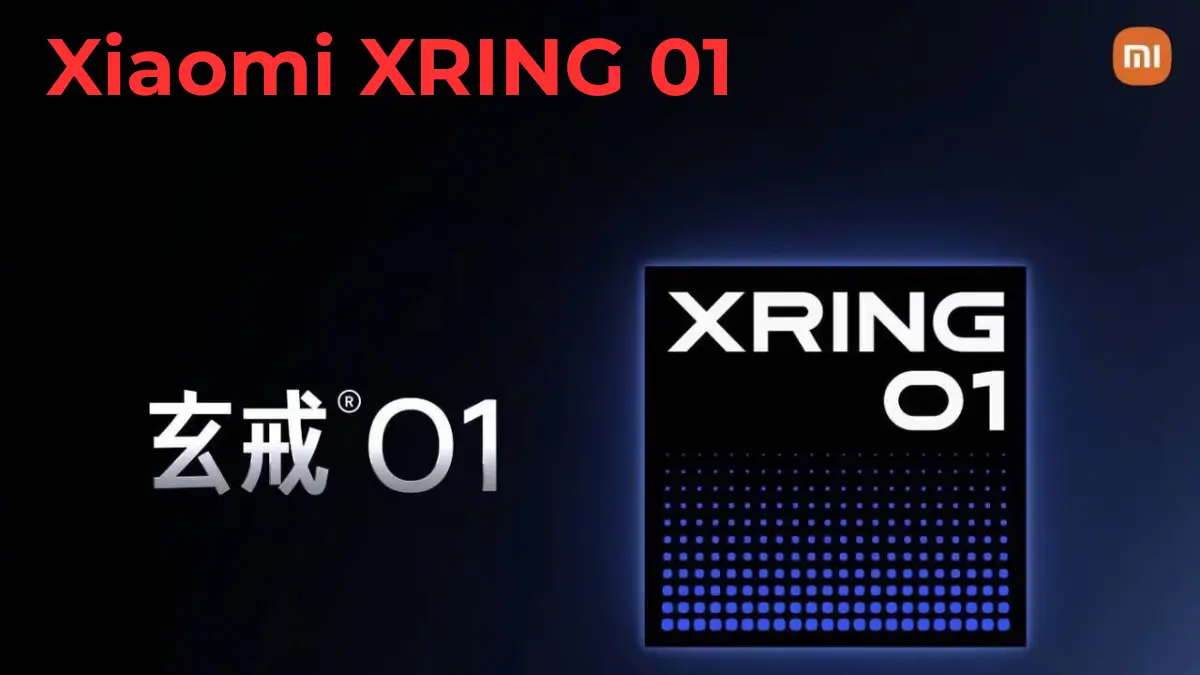
Xiaomi is no stranger to innovation, but its latest move may be its most daring yet. After nearly a decade of research and development, the company has officially revealed its first self-developed flagship mobile chipset—Xiaomi XRING 01. And now, benchmark results from Geekbench 6 have started circulating online, suggesting that this new silicon might be a real contender in the premium processor space.
Table of Contents
The Xiaomi XRING 01, tested under the model number Xiaomi 25042PN24C, appears to deliver impressive performance that rivals even Qualcomm’s top-tier Snapdragon 8 Elite chipset. Let’s dive into what we’ve learned so far.
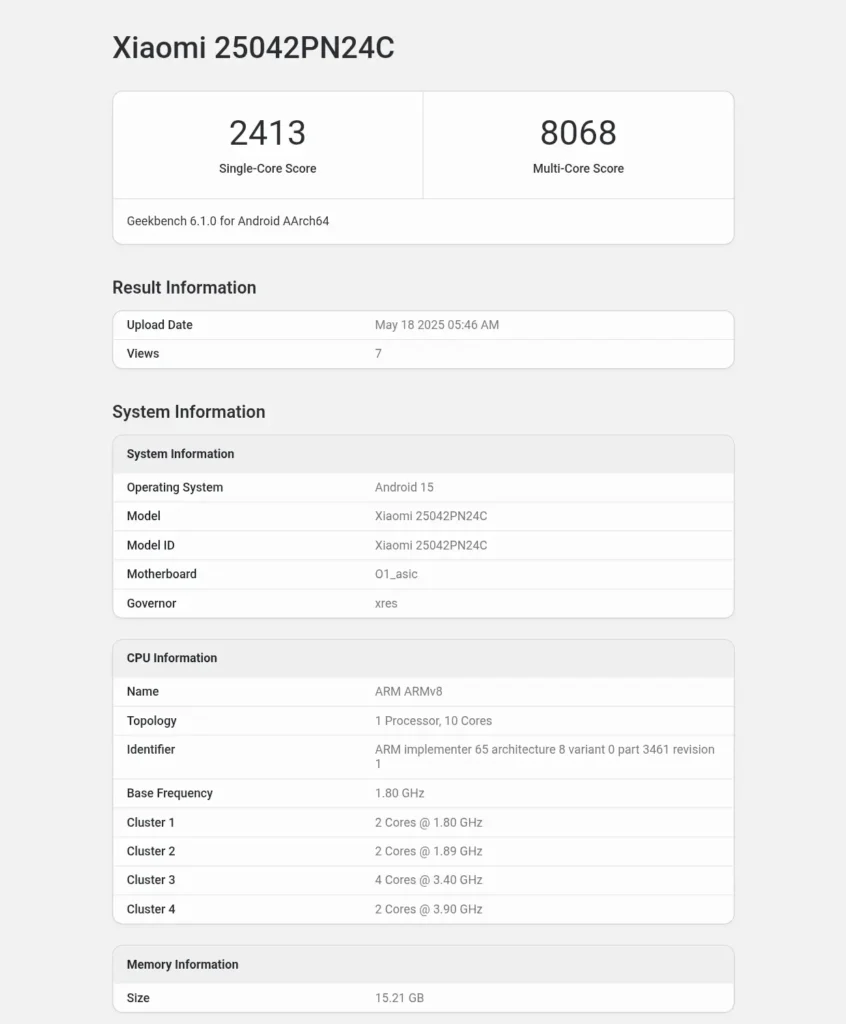
Xiaomi XRING 01 Geekbench Score
According to the Geekbench listing, the XRING 01-powered device posted:
Single-core score: 2413
Multi-core score: 8068
These scores place Xiaomi XRING 01, within striking distance of the Snapdragon 8 Elite, which averages around 9723 in multi-core tests. In fact, earlier reports even suggested a peak score of 2709 (single-core) and 8125 (multi-core), indicating that different test units or software tuning could further close that performance gap.
For a first-generation in-house chip, this is nothing short of remarkable.
Architecture Breakdown: Unique 10-Core Configuration
What truly stands out is Xiaomi XRING 01 unconventional “2+4+2+2” CPU architecture, a deviation from the standard core layouts seen in other flagship SoCs. Based on the Geekbench system information, the core clusters are structured as follows:
- Cluster 1: 2 Cores @ 1.80 GHz
- Cluster 2: 2 Cores @ 1.89 GH
- Cluster 3: 4 Cores @ 3.40 GHz
- Cluster 4: 2 Cores @ 3.90 GHz
Built on 3nm: Next-Gen Efficiency
The XRING 01 is expected to be manufactured using TSMC’s 3nm process, enabling higher clock speeds and better energy efficiency than older 4nm and 5nm nodes. The jump to 3nm is significant—it allows the chip to push frequencies close to 4.0GHz while still staying thermally efficient.
This process advantage not only helps in raw performance but could also help Xiaomi reduce power consumption in everyday use, a common weakness in performance-heavy chipsets.
Immortalis-G925 GPU: Flagship Graphics on Board
Complementing the CPU is the Immortalis-G925 GPU, ARM’s premium graphics solution aimed at delivering console-level visuals. The GPU is reportedly clocked at 1.795GHz, and supports advanced features like hardware-accelerated ray tracing, variable rate shading, and high-resolution rendering.
This puts XRING 01 in direct competition with the Adreno 750 in the Snapdragon 8 series and Mali-G920 series GPUs found in MediaTek’s top-end chips.
x ring 01 processor specs
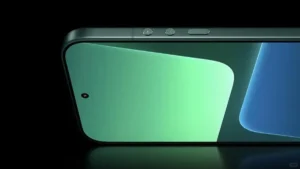
The benchmark test was conducted on a Xiaomi prototype with flagship-grade hardware:
CPU: XRING 01
RAM: 16GB
OS: Android 15
Display: 6.73-inch AMOLED, 3200 × 1440 resolution
Battery: 6100mAh (typical capacity)
Fast Charging: Up to 90W
Rear Camera: Triple 50MP setup
Connectivity: UWB (Ultra-Wideband) enabled
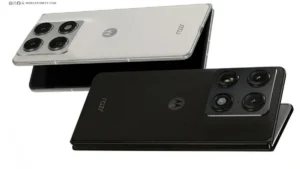
Interestingly, another prototype device featuring XRING 01 was spotted with a 14-inch display, 12000mAh battery, and a single 50MP camera, suggesting Xiaomi may use this chip across both smartphones and larger form factors like foldables or tablets.
The Bigger Picture: What XRING 01 Means for Xiaomi and the Industry
Xiaomi’s development of the XRING 01 isn’t just about making faster phones—it’s a strategic move toward greater ecosystem control, much like what Apple and Google have done with their in-house silicon.
This chip represents:
Greater vertical integration: Xiaomi can now optimize both hardware and software.
More consistent performance: Custom tuning for MIUI and device thermals.
Long-term cost savings: Reduced dependency on Qualcomm and MediaTek.
It also sends a clear message: Xiaomi is ready to challenge the silicon status quo. And with ARM’s most advanced CPU and GPU architecture, plus a cutting-edge node from TSMC, XRING 01 isn’t just symbolic—it’s seriously powerful.
A Milestone Chip from Xiaomi
With the official launch expected in late May 2025, likely debuting in the upcoming Xiaomi 15 series, XRING 01 could mark the beginning of a new era for the brand.
While we still need real-world tests to confirm thermals, battery endurance, and GPU stability, one thing is clear: Xiaomi has entered the flagship chip race—and it’s not here to play catch-up.
SOURCE 1
SOURCE 2




1 thought on “Xiaomi XRING 01 Chipset Surfaces on Geekbench – A Bold Leap into the Flagship SoC Arena”