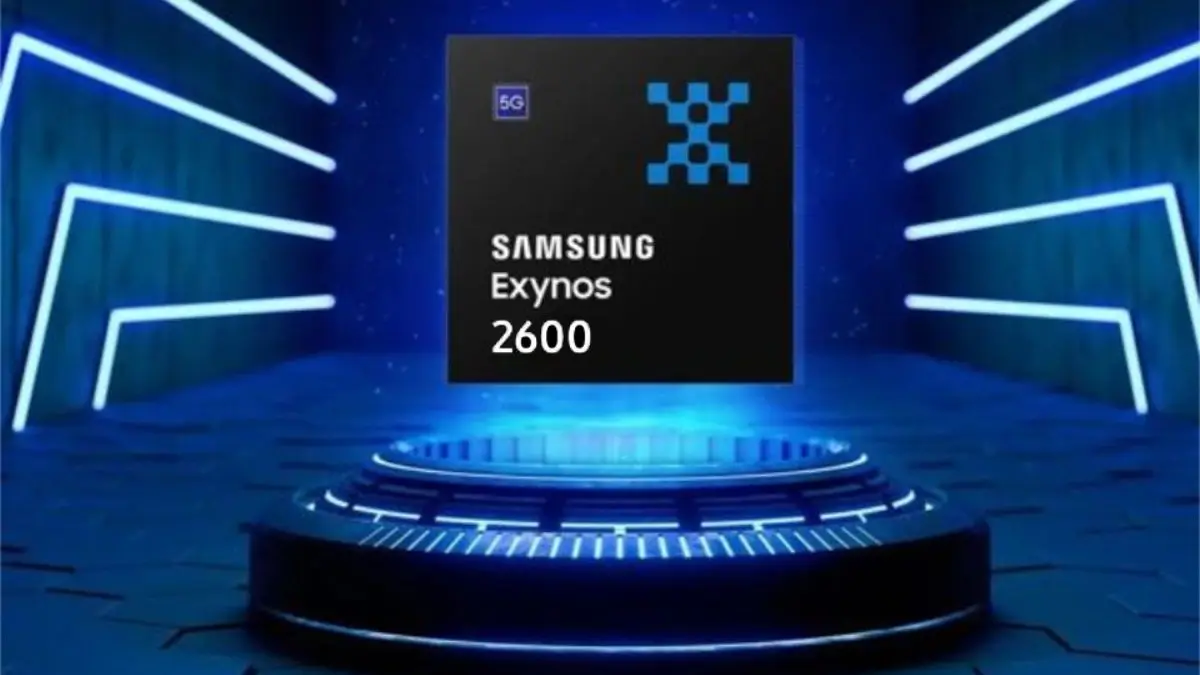
Samsung Electronics is racing against the clock as it works to finalize development of its next-generation mobile processor, the Samsung Exynos 2600, which is expected to power the Galaxy S26 series in early 2026. According to recent reports from insiders in the Korean semiconductor industry, the success of this flagship chip is closely tied to Samsung’s broader strategy of regaining control over its mobile SoC roadmap.
The Exynos 2600 is being developed by Samsung’s LSI division and is rumored to be based on the company’s advanced 2nm GAA (gate-all-around) process node. If successful, this would mark a significant technological leap and a critical milestone for Samsung Foundry. However, despite reports of solid progress on the 2nm node, doubts persist over whether the chip will be ready in time to meet the tight production schedule required for the Galaxy S26 launch.

Sources familiar with the matter told The Bell, a Korean tech outlet, that Samsung is aiming to complete the Exynos 2600 development by the middle of the third quarter of 2025. However, it remains unclear whether this deadline refers to finalizing the chip’s design or initiating mass production—two very different phases in the chip development timeline.
The pressure is high. In recent years, Samsung has relied heavily on Qualcomm’s Snapdragon processors to power its flagship smartphones, especially in key global markets. While the company has made strides in refining its in-house Exynos chips, past models have faced criticism over performance and power efficiency issues compared to their Snapdragon counterparts. This makes the Exynos 2600 a critical opportunity for redemption—and a potential game-changer.
Meanwhile, the status of the Exynos 2500, another upcoming processor, remains murky. Initially expected to appear in Samsung’s foldable Galaxy Z Flip 7 and Fold 7 models, the chip is now reportedly being repositioned for a more affordable SKU: the Galaxy Z Flip FE Enterprise Edition. According to internal sources, development plans for the Exynos 2500 have been in flux, and confidence in its inclusion in flagship devices appears to be waning.
“The production plan for Exynos 2500 has been changing,” one source said. “At one point it seemed certain, but now that possibility has slightly decreased.” This uncertainty is emblematic of a broader challenge within Samsung’s semiconductor division, where engineers are juggling multiple ambitious projects under tight timelines.
As 2025 progresses, all eyes will be on Samsung’s ability to deliver on its promises. If the Exynos 2600 can meet its development milestones and perform competitively, it could mark a turning point in Samsung’s effort to vertically integrate its smartphone business. But for now, the clock is ticking—and the outcome is far from certain